Click here to view online with images.
 

Visit me on FacebookVisit me on LinkedIn

October 2024 Newsletter

Whether you own a home or are looking to buy or sell, here are the latest Good to Know® articles for when you’re ready to take the next step in finding your forever home.

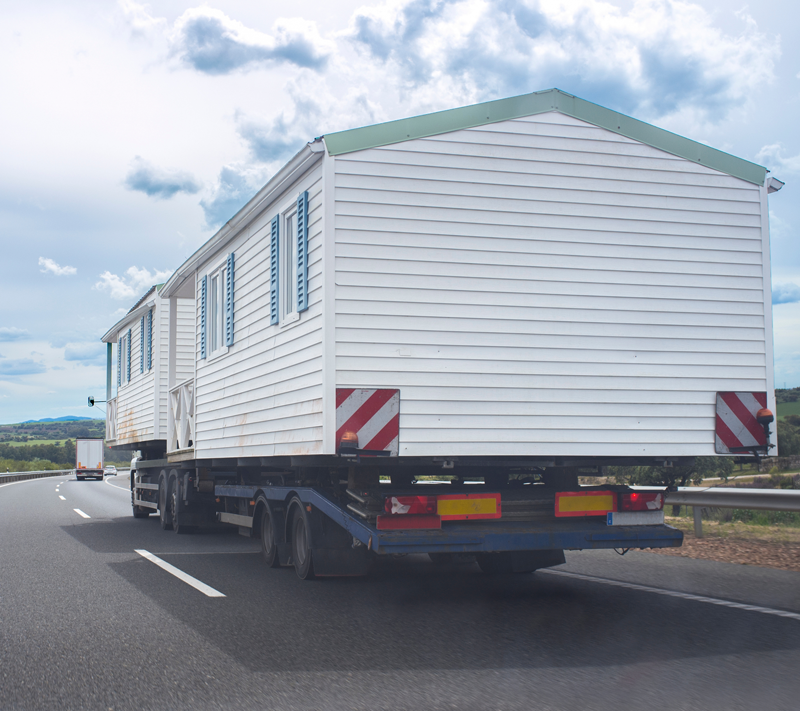
How to Transport a House

You’ve seen houses being moved behind trucks on the highway, and maybe wondered why they’re going to the trouble, but transporting a house can be a clever way to become a homeowner in today’s crazy market.

If you’ve inherited a home and are faced with whether to sell it or rent it, you have another choice—buy an empty lot where you want to live and move the inherited house to it.

The house must be structurally sound enough to sustain a move. You’ll need to hire a general contractor, a structural engineer, an architect, and a moving company; obtain permits to move the home and relocate it; disconnect utilities; plan the moving route; have the foundation ready (pier and beam, crawl space, or slab); and reconnect utilities in the new location. Plan on making minor to significant repairs.

The cost of moving a house averages between $12 and $16 per square foot, or $18,000 to $40,000, or as much as $200,000 depending on the home’s size, weight, and moving distance.

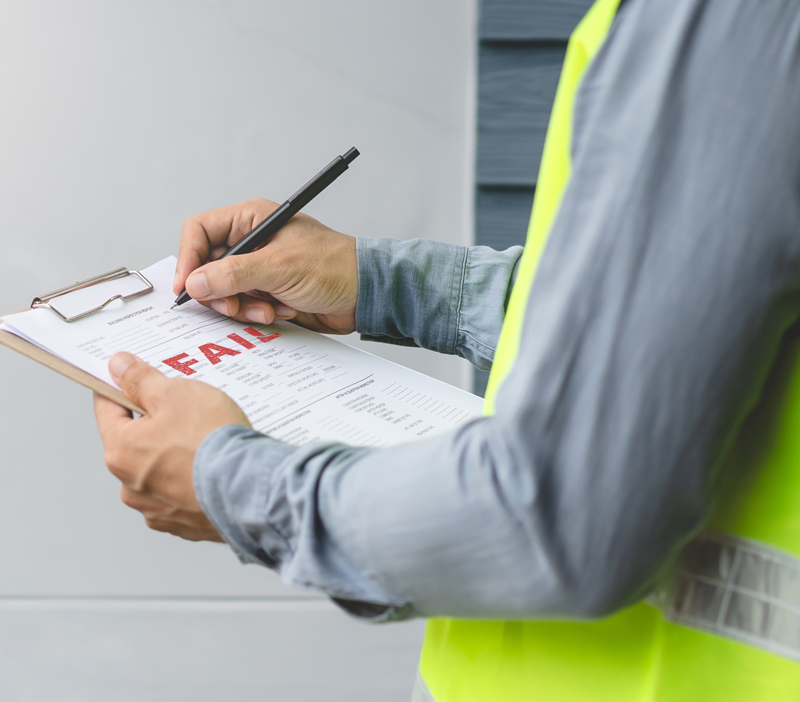
Inspection Findings That
Should Alarm You

When you purchase a home, you have the right to have the property professionally inspected. Any inspection can reveal issues, but what matters is whether a problem is fixable, what that might cost, and whether you or the seller will pay for it 

Here are a few items that should alarm you:

A seller’s disclosure with no useful information: Sellers should let you know if they’ve fixed leaks, replaced roof tiles or had a sewer line replaced. If the home is older, you need to know if asbestos or lead paint has been removed.

A damp, musty odor in the bathroom: You can’t go behind walls or under floorboards, but your nose can tell you there’s a problem. If the bathroom looks clean and smells dank, there could be a hidden leak.

Systems at the end of their lifespan: If the roof is 15 to 20 years old, you’ll have to replace it in a few short years.

Signs of bad DIY work: DIY homeowners can cut corners, ignore code violations and use the wrong materials.

When is it Worth it to Refinance
Your Mortgage?

Refinancing your mortgage is worth it if you get a lower interest rate, a shorter term, or a smaller monthly payment. According to The Mortgage Reports, it’s usually beneficial if you can lower your mortgage interest rate by one percentage point. For a $400,000 loan, reducing the rate from 6.5% to 5.5% saves $257 per month, nearly 20% of the payment. With $8,000 in closing costs, you’ll need to keep the loan for 2.6 years to break even.

You can ask your lender about a no-closing-cost refinance, where you pay a slightly higher interest rate, but avoid upfront costs. This strategy allows you to sell your home anytime without penalty. Alternatively, you can roll closing costs into your new loan, ideal if you plan to stay for several years. You’ll pay more interest, but it can be cheaper than a higher-rate, no-closing-cost loan.

You can also replace an adjustable-rate mortgage with a fixed 30-year term, or switch a 30-year loan to a 20- or 15-year term. Principal payments will be higher, but the interest rate will be lower.

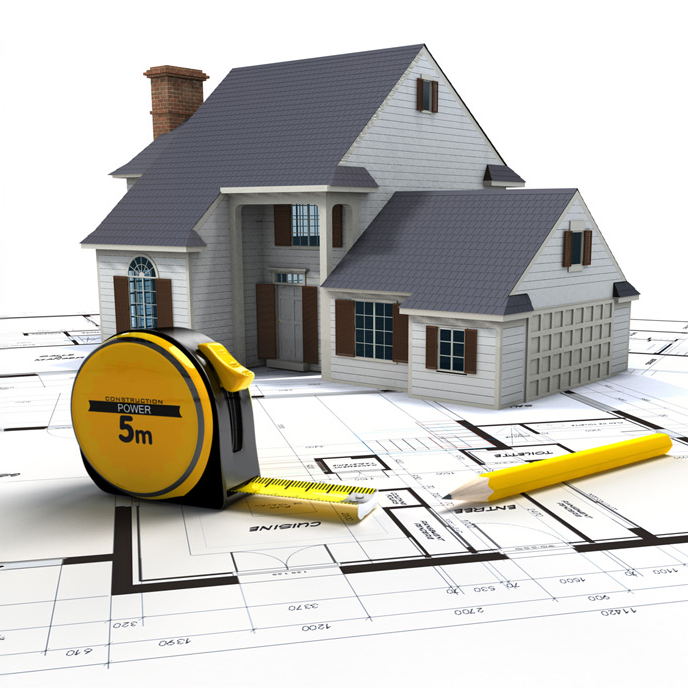
Why Sellers Shouldn’t Measure Square Footage Themselves

Marketing the square footage of a home can work against sellers. Buyers tend to want more space than they currently have, but if your home is on the small side, they may not even consider it. Your smaller home may actually be more comfortable and feel more spacious than one with a bigger but less efficient footprint. On the other hand, some homebuyers want a manageable space, so a big home could be viewed as too much maintenance and expense. 

Professionals measure homes differently: some by exterior dimensions, others by room measurements using a laser or tape. Without a standard method, results vary, and accuracy can be uncertain.

Measuring your home yourself can lead to disputes and potential liability if buyers contest your figures.

Instead, use third-party data for square footage, such as a bank appraisal or property tax records. The original builder’s floorplan with measurements is even better. Ultimately, buyers want to know how much living space they’re getting for their money.

Berkshire Hathaway HomeServices Florida Network Realty
333 Village Main St. Ste. 670 Ponte Vedra Beach, FL 32082

©2026 BHH Affiliates, LLC. Real Estate Brokerage Services are offered through the network member franchisees of BHH Affiliates, LLC. Most franchisees are independently owned and operated. Berkshire Hathaway HomeServices and the Berkshire Hathaway HomeServices symbol are registered service marks of Columbia Insurance Company, a Berkshire Hathaway affiliate. Information not verified or guaranteed. If your property is currently listed with a Broker, this is not intended as a solicitation. Equal Housing Opportunity.