Click here to view online with images.
 

Visit me on FacebookVisit me on LinkedIn

September 2024 Newsletter

Whether you own a home or are looking to buy or sell, here are the latest Good to Know® articles for when you’re ready to take the next step in finding your forever home.

How Much Should You Save
to Buy a Home?

Variables affecting how much you need to save for a home include your income, debt-to-income ratio, home price, appraisal, inspection, and closing costs.

To stay within your means, spend no more than 30% of your household income on your mortgage (principal, interest, taxes, and insurance). Secure the best terms by maintaining high credit scores, providing a 20% down payment, and having cash for a good faith deposit, inspections, and closing costs.

With a gross annual income of $100,000 ($8,333/month), your mortgage payment should be $2,333 or less, and total debt payments no more than $667/month. Together, mortgage and debt payments should not exceed 36% of your gross monthly income, or $3,000, allowing you to buy a $400,000 home.

Consider these calculations:

  • Down payment: $80,000 (20%) or $12,000 (3%)
  • PMI: 0.22% to 2.25% of the loan balance
  • How to navigate the homebuying process.
  • Out-of-pocket: Earnest money (1%), appraisal $200-$600, inspection $300-$450, closing costs 2%-5% of purchase price, moving costs $1,250 (local) or $4,890 (long distance), home insurance $2,601

Reduce costs by buying a less expensive home, getting a no-closing-cost mortgage, and applying for down payment assistance.

Transform Your Home
With The Perfect Paint Palette

Each room in your home serves a unique purpose, so painting the entire house white, grey, or beige might not be ideal. Instead, choose a palette of three to five complementary colors to match each room’s mood.

Start by considering how you want colors to make you feel. Look for inspiration on Pinterest or Houzz, or choose a theme like blue beachy tones or desert-inspired terra cottas. You can also pull colors from existing items (e.g. favorite rug or painting).

Color trends evolve every few years. For instance, Pantone’s 2024 Color of the Year, “Peach Fuzz,” is a soft peach tone that bridges youthful and timeless aesthetics. While Peach Fuzz may not suit everyone, it could pair well with a deep green in the living room, a soft blue in the den, or a sensual mauve in the owner’s suite.

Remember, contrasting colors are energizing, monochromatic colors are calming, and neutrals highlight textures.

How to Prepare Your Outdoor
Spaces for Fall and Winter

According to the National Association of REALTORS®, late October to mid-November is the perfect time to plant, weed, prune, and mulch, so your yard looks nicer and your plants will be protected during the winter.

  1. Trim trees of dead branches for your own and neighbors’ safety. November-March is an ideal time to prune trees to prevent branches from blowing against the house.
  2. Get rid of leggy shrubs and plant new ones. Plant new shade trees with leaves that change color.
  3. Clean out flower beds and re-mulch with a layer of “wood chips, tree bark, leaves or other organic material.”
  4. October-November is the ideal time to plant bulbs before the ground freezes. You can also plant pansies, ornamental kale, ornamental cabbage, and other cool-season annuals.
  5. Pull weeds from the lawn after a rain so they’ll be easier to pull out by the roots. They’ll be less likely to reappear in the spring.

How to Prevent Carbon Monoxide
Poisoning in Your Home

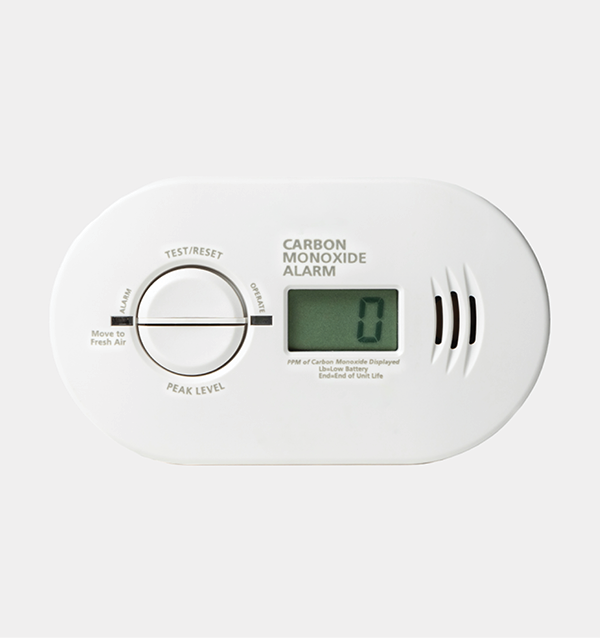
With fall and winter approaching, it’s essential to have your home’s heating systems inspected and serviced, according to the Consumer Product Safety Commission. A trained technician can check chimneys, central heat, gas heaters, heat pumps, electric heaters, and more to ensure they function properly and don’t produce dangerous carbon monoxide (CO). They can also install CO detectors throughout the house to ensure occupant safety.

Carbon monoxide is odorless and colorless, making it undetectable without alarms. CO poisoning symptoms can be mild or severe and are often mistaken for the flu. Low-level exposure can cause headaches, fatigue, shortness of breath, nausea, and dizziness. High-level exposure can lead to confusion, vomiting, loss of coordination, unconsciousness, and even death.

To prevent CO poisoning, the CPSC and Environmental Protection Agency recommend:

  • Installing interconnected CO alarms that all sound together.
  • Never using portable generators indoors; keep them at least 20 feet away from the home.
  • Not using cooking appliances for heat.
  • Opening the fireplace damper before and after use.
  • Avoiding barbeque grills in semi-enclosed spaces like garages.

Berkshire Hathaway HomeServices Florida Network Realty
333 Village Main St. Ste. 670 Ponte Vedra Beach, FL 32082

©2026 BHH Affiliates, LLC. Real Estate Brokerage Services are offered through the network member franchisees of BHH Affiliates, LLC. Most franchisees are independently owned and operated. Berkshire Hathaway HomeServices and the Berkshire Hathaway HomeServices symbol are registered service marks of Columbia Insurance Company, a Berkshire Hathaway affiliate. Information not verified or guaranteed. If your property is currently listed with a Broker, this is not intended as a solicitation. Equal Housing Opportunity.