Click here to view online with images.
 

May 2024

Whether you own a home or looking to buy or sell one, here are the latest Good To Know articles for when you’re ready to take the next step in finding your Forever Home.

Ellen O'Toole
Real Estate Consultant
847-668-5846
eotoole@bhhschicago.com
www.ellenotoole.com

Visit me on FacebookVisit me on TwitterVisit me on LinkedInVisit me on Instagram


Homeowners, Homebuyers, Home Sellers, Home Improvement

Essential Tips for Home Renovation Budgeting

You’ve bought an older home that needs some work. How do you decide what needs redoing and how much money to spend? 

The first rule of thumb is: don’t improve more than the best homes in your immediate neighborhood. A starter home, or a lot-value home, can be renovated to be attractive and functional, but keep in mind that if your future homebuyer wants a finer home, they’ll look at more expensive neighborhoods where all the homes are equally upscale.

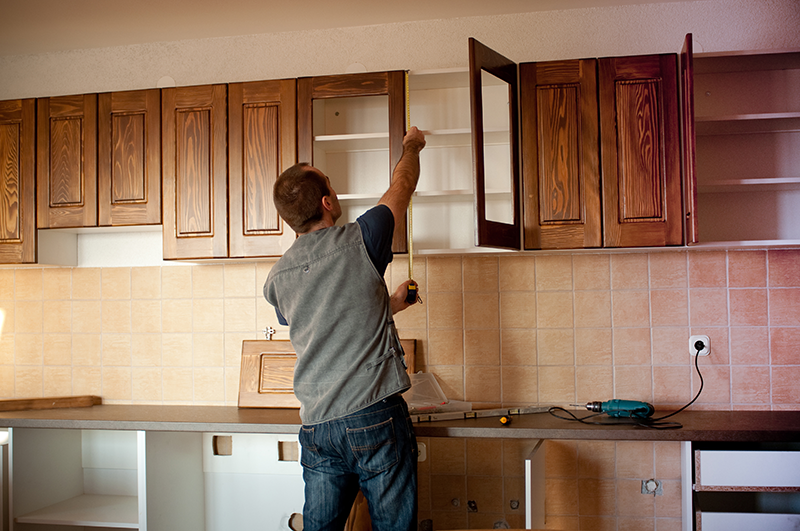
If your house needs everything, tackle the changes that will make the most difference in your convenience, comfort, and utility, like the kitchen. Will you need new cabinets, countertops and appliances, or a whole new floorplan? Is there room to borrow space from another room? If so, a kitchen designer can help you plan, manage costs and get more storage and workspace. Realtor.com advises that you also have a plan B and C, in case what you want is too expensive or becomes unavailable. You can price high-end appliances, then choose less expensive back-ups. Ask your designer to provide a schematic with different price points.

Budgetdumpster.com recommends that you spend no more than 10% to 15% of your home’s value on any single room. If your home is valued at $400,000, your kitchen remodel should be no more than $40,000 to $60,000. If you also need to remodel baths, cut the total remodeling budget down to 10% per room, and set aside another 10% for unexpected expenses.

Homeowners, Finance, Home Improvement

Should You Tap into Your Home Equity?

When you put 20% down on a home using a mortgage loan, you own 20% and the lender owns 80%. As you make payments, most of the money goes to pay interest while some goes toward reducing your principal. Meanwhile, favorable market conditions may be increasing the market value of your home, giving you instant equity.

Equity is the amount of the home that you own, much like a savings account that pays interest on money you want to keep growing. After a few years, you may want to tap into that money to carry out home improvements, make a down payment on a second property, or pay off credit cards and other bills. Is it a good idea to use your equity?

The answer is this: you’re putting your home in deeper debt, so your reasons for using equity instead of another means of borrowing or consolidating must be worth the risk.

Home improvements are designed to add value to your home, a sure thing that will net you more money when you decide to sell it one day. Making a down payment on another home is riskier—as you’ll have two mortgages—but if you can afford it, you’ll have two properties potentially building equity.

Credit cards are unsecured debt so interest rates are high. Home equity loans are far less costly, so you could get much relief by paying credit cards off. However, you must avoid “reloading” the cards with new charges, which will take dedication and self-discipline.

Finance, Homebuyers, Down payments, First-time Homebuyers

Boost Your Home Buying Fund with HYSAs

As a first-time homebuyer, you may be racking your brains trying to figure out how to make more money quickly for a down payment to qualify for a mortgage loan. You need to have cash tucked away that’s hopefully building interest, yet it also needs to be accessible in case the right home comes along and you need to act fast.

Thanks to low interest rates for over a decade (that disappeared with the rise in inflation after the pandemic), it’s been easy to put savings accounts out of your mind. Who cares about a yield of .03%? But as interest rates have risen, so have better returns on some savings accounts. High-yield savings accounts (HYSAs) or high-interest savings accounts, are a type of deposit account that gives you a greater return than a traditional savings account.

HYSAs are available at banks, online banks, and state and federal credit unions. You’ll be able to transfer money with an ATM card or online, and you’ll earn quite a bit more in interest, as much as 5% or 10 times the national savings account rate. You may pay fees, have restrictions on when you can take money out of the account, and you may have to maintain a minimum balance to avoid a monthly service charge. Your annual percentage yield (APY) can be tied to the amount you put into the account.

HYSAs are federally insured, so you can’t lose money, and you’ll earn compound interest for rapid account growth.

Homebuyers, Home Sellers, Homeowners, Finance. Mortgage Loans

Is Renting-to-Own a Good Idea?

Rent-to-own, or lease purchase, is a legal means of buying a home with a future closing date, usually one to five years from the date of the rent-to-own contract. Until then, the homebuyer rents the home before applying for a mortgage to buy the home. The concept can benefit both homebuyers and home sellers, but there is loss potential, too.

Here’s how it works: The renter pays the homeowner a non-refundable option fee of 1% to 7% of the purchase price of the home. The renter also pays a rent premium above the rental amount, and the rent premiums plus the option fee go into an escrow account that can be used to make the down payment or reduce the sales price of the home. This allows the renter the chance to build up their savings and/or improve their credit history. If all goes as planned, the renter will be approved for a mortgage loan to pay off the seller, but sometimes, buyers lose their jobs or fail to qualify for a mortgage loan and must forfeit the money in the escrow account.

Lease purchase agreements are often used by family members to help a loved one get into a home sooner. They also become more widely used in slower markets, when sellers are having trouble getting the price they want for their homes. Tech companies such as Divvy Homes, ZeroDown, Dream America, and Landis are trying to make homeownership easier by providing rent-to-own homes, advises NerdWallet.

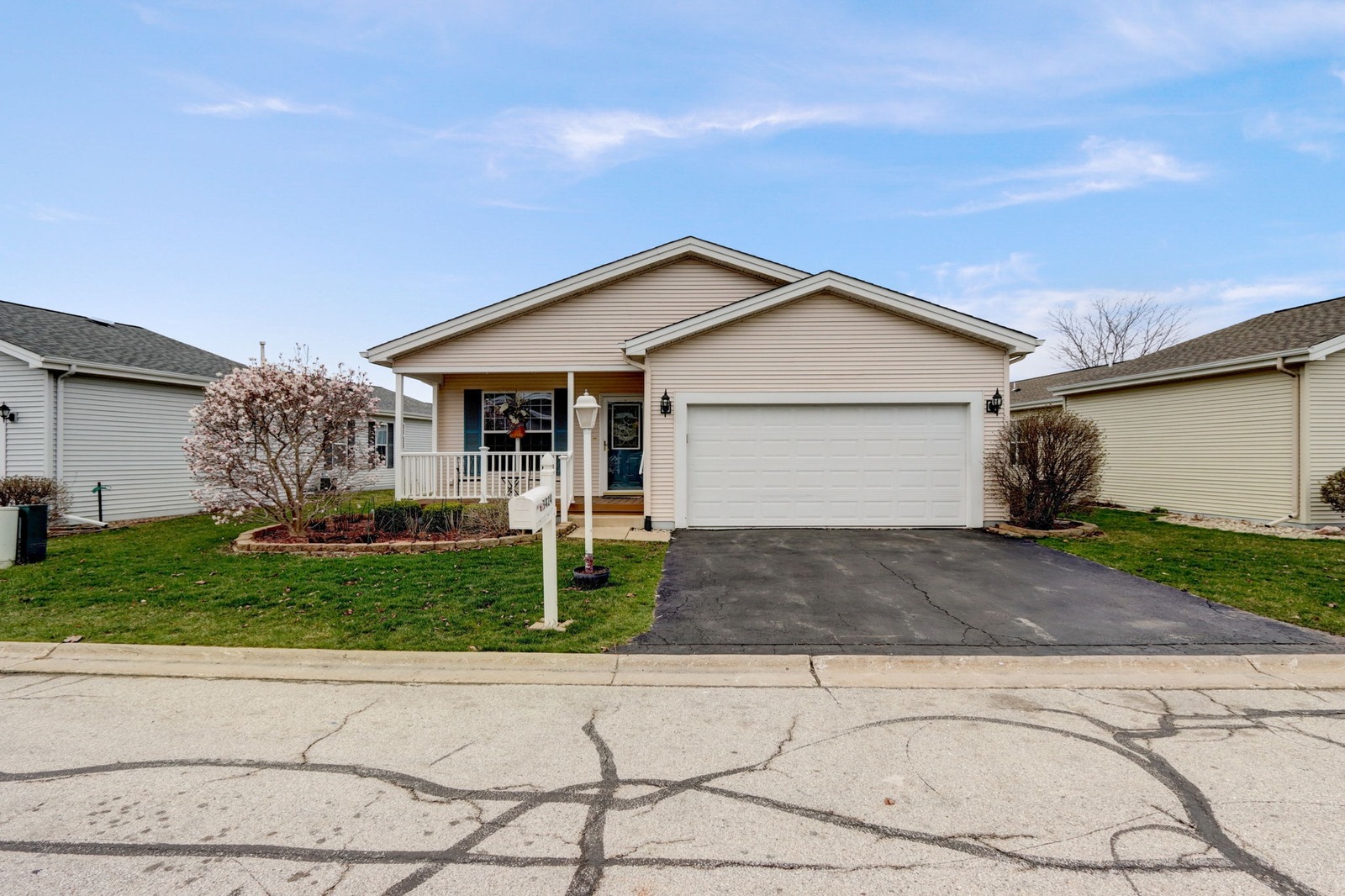
Saddlebrook Farms Home for sale

Are you 55+ and looking to downsize?

Look no further! Beautifully appointed home sets the pace for your new lifestyle. From the time you enter, you'll see the many upgrades of this Foxglove III floor plan. Do you work from home? A multi-purpose room is off by itself and can be used as an office, den or 3rd bedroom.  The additional cabinets in the kitchen are wonderful for storing everything that the chef of the home "must haves" making entertaining a snap. There is so much more, primary bedroom suite with bay window, walk-in closet and bath. The combo LR & Dr make entertaining easy.  LR is open to Sun Room with sliders to spacious deck.  Think you need more storage, then go to the garage where you'll find stairs to floored attic. And, SBF offers so many activities to enjoy along with great facilities where neighbors become friends!  


150 E. Cook Avenue Suite 100 Libertyville, IL 60048

©2026 BHH Affiliates, LLC. Real Estate Brokerage Services are offered through the network member franchisees of BHH Affiliates, LLC. Most franchisees are independently owned and operated. Berkshire Hathaway HomeServices and the Berkshire Hathaway HomeServices symbol are registered service marks of Columbia Insurance Company, a Berkshire Hathaway affiliate. Information not verified or guaranteed. If your property is currently listed with a Broker, this is not intended as a solicitation. Equal Housing Opportunity.